


 Termos
 Privacidade
Quick Healing Laparoscopic Surgery in Islamabad
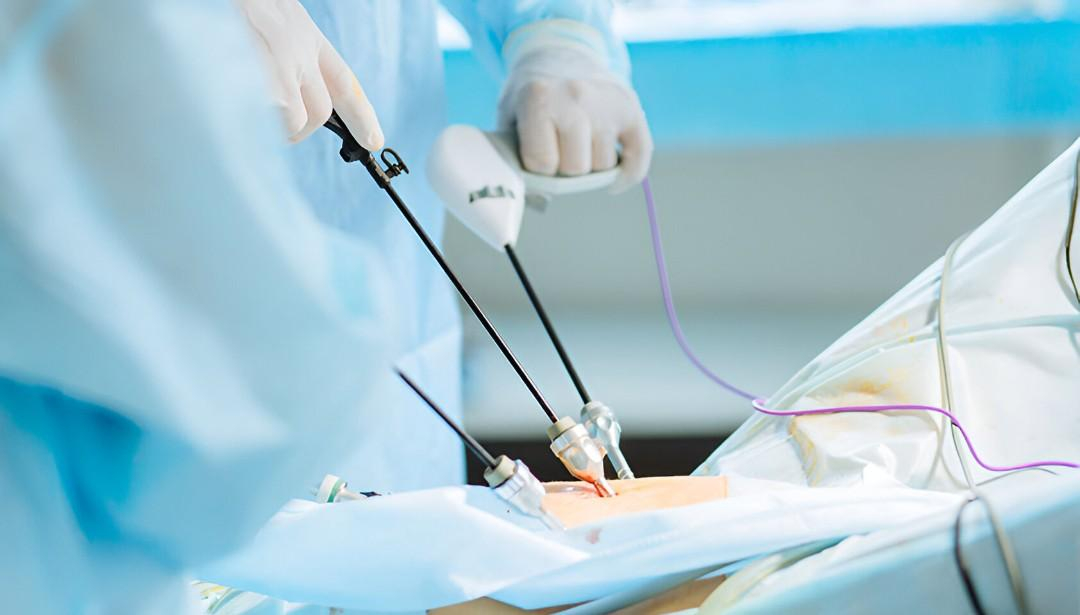
Medical technology has changed how many operations are performed today. Procedures that once required large incisions and long hospital stays can now be done with much smaller cuts and quicker recovery periods. One of the biggest contributors to this progress is laparoscopic surgery. It is widely preferred by both surgeons and patients because it reduces trauma to the body while still delivering effective results. Many modern clinics now offer this technique with advanced equipment and trained surgical teams to improve patient outcomes.
When patients explore options for laparoscopic surgery in Islamabad, they often look for experienced surgeons, proper facilities, and clear guidance before and after the procedure. Clinics such as Royal Cosmetic Surgery are known for offering minimally invasive surgical options with structured patient care and recovery support.
What is Laparoscopic Surgery?
Laparoscopic surgery is a minimally invasive surgical technique performed using very small incisions instead of one large open cut. A surgeon inserts a thin tube called a laparoscope into the body through a tiny incision. This instrument contains a camera and light source that sends real-time images to a screen in the operating room.
With this visual guidance, the surgeon uses specialized small instruments to perform the operation. Because the cuts are small, the surrounding muscles and tissues experience less damage compared to traditional open surgery. This leads to reduced pain, shorter hospital stays, and faster healing for most patients.
Another major benefit is cosmetic — the scars are usually small and fade over time, which many patients appreciate.
Why Is Laparoscopic Surgery Done?
Doctors recommend laparoscopic surgery when a condition requires surgical treatment but can be safely managed through a minimally invasive method. It is done to both diagnose and treat various abdominal and pelvic problems.
Common reasons surgeons choose this approach include:
-
Lower risk of heavy bleeding
-
Reduced post-operative pain
-
Shorter hospital admission
-
Faster return to normal routine
-
Smaller and less visible scars
-
Lower infection risk compared to open procedures
Not every patient is automatically a candidate. Surgeons first review medical history, imaging reports, and overall health before confirming whether laparoscopic surgery is the right choice.
Laparoscopic Surgery for What Conditions?
Many patients ask: laparoscopic surgery for what exactly? The answer is — a wide range of medical problems. It is not limited to one specialty and is used across general surgery, gynecology, and bariatric treatment.
Common uses include:
Gallbladder Removal
One of the most frequent laparoscopic procedures is gallbladder removal for stones or inflammation.
Appendix Removal
Acute appendicitis is often treated laparoscopically to reduce recovery time.
Hernia Repair
Abdominal wall hernias can be repaired using mesh placement through small incisions.
Gynecological Procedures
Ovarian cyst removal, endometriosis treatment, and some hysterectomies are performed this way.
Weight Loss Procedures
Several bariatric surgeries use laparoscopic methods to reduce surgical trauma.
Diagnostic Evaluation
When scans are unclear, diagnostic laparoscopy helps doctors directly view internal organs.
Because of this flexibility, laparoscopic surgery continues to replace open techniques in many routine operations.
What to Eat Before Laparoscopic Surgery
Pre-surgery diet instructions are important and should always follow the surgeon’s directions. Food in the stomach during anesthesia can create risks, so preparation usually includes controlled eating and fasting.
Typical guidelines include:
-
Switch to light meals one day before surgery
-
Prefer low-fat, easy-to-digest foods
-
Drink clear fluids like water and broth
-
Avoid fried, spicy, and very heavy meals
-
Stop eating 6–8 hours before surgery (or as instructed)
Some patients are also advised to avoid caffeine and sugary drinks shortly before the procedure. Proper preparation helps anesthesia work safely and reduces nausea risk afterward.
What to Eat After Laparoscopic Surgery
After surgery, the digestive system may feel slow or sensitive. A gradual return to normal eating is usually recommended instead of jumping straight into heavy meals.
Most surgeons suggest a staged approach:
First Stage — Liquids
-
Water
-
Clear soups
-
Electrolyte drinks
-
Herbal teas
Second Stage — Soft Foods
-
Yogurt
-
Porridge
-
Mashed potatoes
-
Scrambled eggs
Third Stage — Light Regular Meals
-
Rice
-
Boiled chicken
-
Cooked vegetables
Patients are usually told to avoid carbonated drinks and gas-producing foods at first because abdominal bloating can feel more uncomfortable after laparoscopic procedures. Small, frequent meals are generally better than large portions.
How Many Stitches in Laparoscopic Surgery?
Patients are often surprised at how few stitches are needed. In most laparoscopic operations, surgeons make three to five very small incisions. Each cut is typically between half a centimeter and one centimeter long.
Closure methods may include:
-
Tiny stitches
-
Surgical glue
-
Adhesive strips
-
Dissolvable sutures
Because the wounds are small, healing is usually quicker and wound care is simpler. Many patients only need basic dressing and cleaning for a short period. Scar visibility also tends to be minimal compared to open surgery.
Laparoscopic Surgery Recovery Time
One of the biggest advantages of minimally invasive techniques is shorter healing time. Laparoscopic surgery recovery time is usually much faster than open surgery, though it still depends on the type of operation performed.
General recovery patterns look like this:
-
Walking: often within 24 hours
-
Light daily tasks: within a few days
-
Office work: about 1–2 weeks
-
Exercise/heavy lifting: 4–6 weeks
Some soreness and fatigue are normal in the first few days. Mild shoulder pain can also occur due to the gas used during the procedure, but it usually resolves quickly.
Following discharge instructions including wound care, medication, and activity limits — plays a major role in recovery speed.
Laparoscopic Surgery Cost in Islamabad
Cost is one of the most common questions patients ask. The laparoscopic surgery cost in Islamabad depends on several factors:
-
Type of procedure
-
Operating facility charges
-
Surgeon experience
-
Anesthesia fees
-
Hospital stay duration
-
Required tests and medicines
In many cases, the cost of laparoscopic surgery in Islamabad starts from PKR 150,000, though more complex procedures may cost more. Patients are usually advised to get a full written estimate after consultation so there are no surprises later.
Clinics that specialize in minimally invasive procedures often provide package pricing that includes surgery, operating room, and basic aftercare.
Safety and Patient Selection
Although laparoscopic surgery is widely used, safety depends on correct patient selection and surgeon skill. Certain situations such as extensive prior abdominal surgery or severe infection may require open surgery instead.
Before recommending the procedure, surgeons typically order:
-
Blood tests
-
Imaging scans
-
Physical examination
-
Medical history review
This evaluation ensures that the minimally invasive approach is both safe and effective for the individual patient.
Conclusion
Minimally invasive techniques have reshaped modern surgical care by making procedures less stressful on the body and easier to recover from. From gallbladder and appendix removal to hernia and gynecological treatments, laparoscopic methods now cover a wide range of medical needs.
Patients exploring laparoscopic surgery benefit from smaller incisions, reduced pain, and shorter downtime. With proper pre-surgery preparation, correct diet planning, and careful post-operative care, outcomes are generally very positive.
Facilities like Royal Cosmetic Surgery offer structured consultation, modern equipment, and guided recovery support, helping patients move through the surgical journey with more confidence and comfort.
- Jogos
- Religion
- Party
- Networking
- Music
- Literature
- Art
- Health
- Gardening
- Shopping
- Food
- Fitness
- Film
- Drinks
- Dance
- Crafts
- Causes
- Wellness
- Devotional Reflections
- Bible Study & Scripture Insights
- Prayer & Worship
- Christian Living
- Spiritual Growth & Discipleship
- Testimonies & Personal Journeys
- Christian Theology & Doctrine
- Church Calendar & Liturgical Seasons
- Christian Service & Mission
- Gardening
- Health
- Início
- Literature
- Networking
- Outro

 English
 Arabic
 French
 Spanish
 Portuguese
 Deutsch
 Turkish
 Dutch
Dutch
 Italiano
 Russian
 Romaian
 Greek
Greek