


 Goto chatroom
 Termini e Condizioni
 Privacy
Visa Rejection in 2026: Top Reasons, Refusal Codes & How to Reapply Successfully
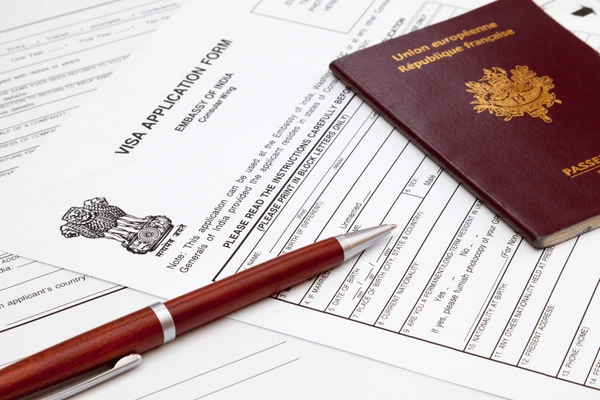
A visa rejection can disrupt travel plans, study goals, business trips, or immigration processes. In 2026, embassies and consulates continue to apply strict screening standards, and even small documentation errors can lead to a visa refusal.
Understanding the common reasons for visa denial, refusal codes, and the correct reapplication strategy can significantly improve your chances of approval in the next attempt. This guide explains everything you need to know about visa rejection and how to avoid it.
What Is a Visa Rejection?
A visa rejection (also called visa refusal or visa denial) occurs when an embassy or consulate determines that an applicant does not meet the visa eligibility requirements.
When your visa is refused, you usually receive:
-
A visa refusal letter
-
A refusal code (depending on the country)
-
Explanation of missing documents or eligibility concerns
A rejection does not always mean permanent ineligibility. In many cases, applicants can reapply after correcting the issues.
Common Visa Rejection Reasons in 2026
Below are the most frequent visa rejection reasons:
1. Incomplete Visa Application
Errors in the visa application form, missing signatures, or incorrect details can result in immediate refusal.
2. Insufficient Financial Proof
Failure to provide strong bank statements, income proof, or sponsorship documentation often leads to visa denial.
3. Weak Travel History
Limited or inconsistent travel history may raise concerns about immigration intent.
4. Lack of Strong Ties to Home Country
If the consular officer believes you may overstay, your application may be rejected due to weak home ties.
5. Inconsistent Supporting Documents
Mismatched employment letters, unclear invitation letters, or incorrect travel itinerary details can cause refusal.
6. Previous Immigration Violations
Overstays, prior deportation orders, or visa misuse can significantly impact approval chances.
Understanding Visa Refusal Codes
Certain countries issue specific visa refusal codes that explain the reason for rejection. These codes may relate to:
-
Inadmissibility grounds
-
Documentation insufficiency
-
Security concerns
-
Immigration intent
Carefully reviewing your refusal notice helps determine whether to file an appeal or submit a new visa application.
What To Do After a Visa Rejection
If you experience a visa rejection, follow these steps:
Step 1: Analyze the Refusal Letter
Understand the exact reason for visa denial before taking further action.
Step 2: Correct Documentation Errors
Prepare stronger financial documents, employment proof, or updated travel itinerary if required.
Step 3: Strengthen Your Application
Include additional supporting documents that address the consular officer’s concerns.
Step 4: Decide Between Appeal or Reapplication
Some countries allow a visa appeal, while others require submitting a fresh application.
How to Avoid Visa Rejection in 2026
To reduce the risk of visa refusal:
-
Submit a complete and accurate visa application form
-
Provide genuine financial proof
-
Show strong employment or business ties
-
Include clear travel purpose documentation
-
Ensure consistency across all supporting documents
-
Avoid false information or forged documents
Honesty and transparency are critical in every visa application process.
Can You Reapply After Visa Rejection?
Yes, in most cases you can reapply after a visa rejection. However:
-
Simply submitting the same documents may result in another refusal
-
You must address the previous rejection reason
-
Stronger documentation improves approval chances
-
Waiting periods may apply depending on visa type
If your refusal involved serious immigration issues, professional legal advice may be necessary.
Visa Rejection for Tourist, Student & Work Visas
Different visa categories have different scrutiny levels:
-
Tourist visa rejection often relates to financial proof or travel history
-
Student visa rejection may involve insufficient funds or unclear study intent
-
Work visa rejection can result from employer documentation errors
Each category requires a tailored reapplication strategy.
When to Seek Professional Help
If your visa rejection involves:
-
Immigration violation history
-
Complex refusal codes
-
Multiple prior denials
-
Deportation record
It is advisable to seek professional assistance before reapplying.
You can review our detailed resources on visa rejection assistance services and visa reapplication support guide to understand proper documentation strategies and refusal handling procedures.
Final Thoughts
A visa rejection in 2026 is not the end of your travel or immigration journey. Most refusals happen due to documentation errors, weak financial proof, or inconsistent information. By carefully reviewing refusal reasons, correcting mistakes, and strengthening your visa application, you can significantly improve your approval chances.
Preparation, accuracy, and compliance with visa eligibility requirements are the keys to successful approval.
- Giochi
- Religion
- Party
- Networking
- Music
- Literature
- Art
- Health
- Gardening
- Shopping
- Food
- Fitness
- Film
- Drinks
- Dance
- Crafts
- Causes
- Wellness
- Devotional Reflections
- Bible Study & Scripture Insights
- Prayer & Worship
- Christian Living
- Spiritual Growth & Discipleship
- Testimonies & Personal Journeys
- Christian Theology & Doctrine
- Church Calendar & Liturgical Seasons
- Christian Service & Mission
- Gardening
- Health
- Home
- Literature
- Networking
- Altre informazioni

 አማርኛ
አማርኛ
 Afaan Oromoo
 English
 Arabic
 French
 Spanish
 Portuguese
 Deutsch
 Turkish
 Dutch
Dutch
 Russian
 Romaian
 Portuguese (Brazil)
 Greek
Greek