


 Goto chatroom
 Termos
 Privacidade
Home Elevators for Seniors: Comfort, Safety, and Independence at Home
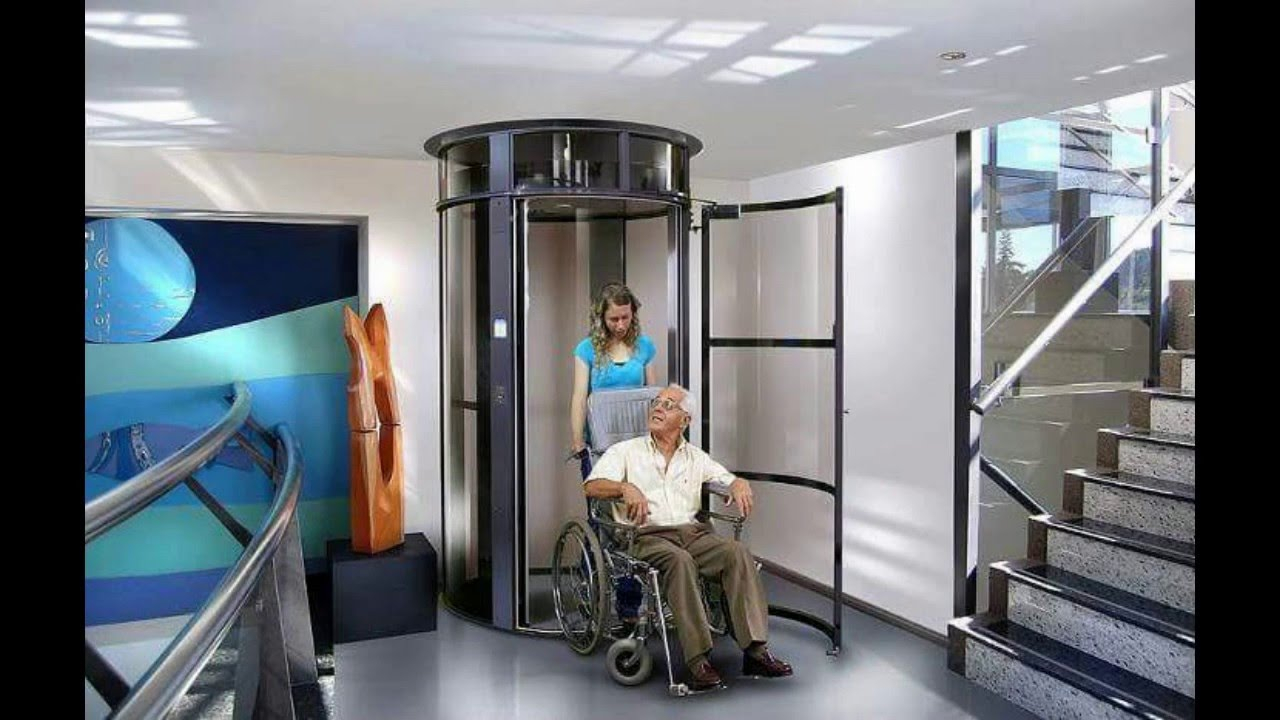
Table of Contents
-
Introduction
-
Why Home Elevators Matter for Seniors
-
Independence and Daily Comfort
-
Safety Features Designed for Aging in Place
-
Types of Home Elevators for Seniors
-
Can You Put an Elevator in an Existing Home?
-
Understanding Home Elevator Costs
-
Installation Process Explained
-
Choosing the Right Home Elevator Company
-
Elevator Dimensions and Space Planning
-
Childproofing and Family Safety
-
Popular Home Elevator Brands in Canada
-
Comparing Elevator Options
-
The Emotional Impact of Home Elevators
-
Conclusion
-
FAQs
Why Home Elevators Matter for Seniors
Stairs don’t usually feel dangerous—until they do. One missed step can change everything. For seniors, mobility issues, joint pain, or balance problems make stairs risky and stressful.
A home lift for elderly residents removes that daily struggle. Instead of rearranging life around one floor, seniors regain access to their entire home. Bedrooms upstairs? Laundry in the basement? No problem anymore.
Home elevators help seniors:
-
Avoid falls and injuries
-
Maintain independence
-
Stay in familiar surroundings
-
Reduce reliance on caregivers
Think of a home elevator like a quiet helper—it’s always there, never in the way, and always reliable.
Independence and Daily Comfort
One of the biggest emotional challenges seniors face is losing independence. Asking for help with stairs may seem small, but over time, it chips away at confidence.
An in-home elevator for elderly users restores dignity. Seniors can move freely, carry groceries, do laundry, and enjoy their home without hesitation.
Comfort matters too. Modern elevators offer:
-
Smooth, quiet rides
-
Soft lighting
-
Easy-to-use controls
-
Comfortable cabin space
It’s not just transportation—it’s peace of mind.
Safety Features Designed for Aging in Place
Safety is the heart of every residential elevator designed for seniors. Today’s systems are built with layers of protection.
Common safety features include:
-
Non-slip flooring
-
Emergency stop buttons
-
Backup battery power
-
Automatic door locks
-
Slow start and stop technology
Many models also include hands-free controls and seated ride options for those with limited balance.
Types of Home Elevators for Seniors
There’s no one-size-fits-all solution. The best elevator depends on home layout, mobility needs, and budget.
| Elevator Type | Best For | Key Benefits |
|---|---|---|
| Hydraulic Elevator | Larger homes | Smooth ride, strong lifting power |
| Traction Elevator | Multi-level homes | Energy-efficient, quiet |
| Pneumatic Elevator | Compact spaces | Minimal construction |
| Shaftless Elevator | Existing homes | Fast installation |
| Platform Lift | Wheelchair users | Affordable accessibility |
Can You Put an Elevator in an Existing Home?
Yes—absolutely.
Many homeowners assume elevators are only for new builds, but modern designs are made specifically for retrofitting. A residential elevator can often be installed with minimal changes to the home’s structure.
Popular retrofit options include:
-
Shaftless elevators
-
Pneumatic elevators
-
Compact home lifts
An experienced elevator contractor near me can assess your home and recommend the most practical solution.
Understanding Home Elevator Costs
Let’s talk numbers—because cost matters.
The home elevator cost varies depending on type, size, number of floors, and customization.
| Cost Factor | Price Range (Canada) |
|---|---|
| Basic Home Lift | $20,000 – $30,000 |
| Mid-Range Elevator | $30,000 – $45,000 |
| Luxury Custom Elevator | $50,000+ |
| Installation | $5,000 – $15,000 |
Cost Breakdown by Elevator Type (Estimated)
| Elevator Type | Average Cost |
|---|---|
| Shaftless Elevator | $20,000 – $35,000 |
| Hydraulic Elevator | $30,000 – $50,000 |
| Pneumatic Elevator | $35,000 – $55,000 |
| Platform Lift | $15,000 – $25,000 |
The good news? Many seniors find that a home elevator costs less than moving to assisted living over time.
Installation Process Explained
Elevator installation is simpler than most people expect.
Typical steps include:
-
Home assessment and measurements
-
Choosing the elevator type and design
-
Permits and safety approvals
-
Installation (2–5 weeks)
-
Final testing and training
Professional home elevator installation teams ensure everything meets safety codes and works flawlessly.
Choosing the Right Home Elevator Company
Not all elevator companies are created equal. Experience matters—especially when installing elevators for seniors.
Look for companies that offer:
-
Residential elevator expertise
-
Local service and maintenance
-
Strong warranties
-
Transparent pricing
In Canada, trusted names include:
-
Best Home Elevator Company in Canada providers
-
Elmira Home Elevator
-
Heritage Home Elevator
-
Cambrian Home Elevator
A reliable company won’t rush you—they’ll guide you.
Elevator Dimensions and Space Planning
You don’t need a mansion to install an elevator.
Standard elevator dimensions vary, but many models fit into surprisingly small spaces. Shaftless elevators, for example, can fit into closets or corners with minimal impact.
Planning early helps ensure:
-
Comfortable entry and exit
-
Wheelchair accessibility
-
Future mobility needs
Childproofing and Family Safety
If grandchildren visit, safety becomes even more important.
Wondering how to childproof an elevator? Many systems include:
-
Lockable controls
-
Key switches
-
Restricted access settings
These features ensure peace of mind for the whole family.
Popular Home Elevator Brands in Canada
Canada offers a strong market for residential elevators. Popular options include:
-
Home elevators Ontario specialists
-
Residential elevators Toronto providers
Each brand offers different strengths—some focus on affordability, others on luxury or compact design.
Comparing Elevator Options for Seniors
Choosing between a home lift, personal elevator, or platform lift depends on mobility level and home layout.
A short comparison:
-
Home elevators: Best for long-term aging in place
-
Platform lifts: Budget-friendly, wheelchair-focused
-
Stair lifts: Short-term solution, limited access
For full independence, elevators win every time.
The Emotional Impact of Home Elevators
Beyond safety and convenience, there’s something deeper here.
Home elevators allow seniors to:
-
Stay connected to memories
-
Remain close to family
-
Keep control over daily life
That emotional comfort is priceless.
Conclusion
Installing home elevators for senior homeowners isn’t just about mobility—it’s about freedom, safety, and dignity. With modern designs, flexible installation options, and improved affordability, elevators are now realistic solutions for aging in place.
If stairs are becoming a daily challenge, a home elevator could be the quiet upgrade that transforms life—one smooth ride at a time.
FAQs
1. Are home elevators safe for seniors living alone?
Yes. Modern elevators include emergency systems, backup power, and safety sensors designed specifically for independent seniors.
2. How long does home elevator installation take?
Most installations take between 2 to 5 weeks, depending on the elevator type and home layout.
3. What is the most affordable home elevator option?
Shaftless elevators and platform lifts are usually the most budget-friendly options.
4. Can a home elevator increase property value?
Absolutely. Accessibility features often make homes more attractive to buyers.
5. Do home elevators require a lot of maintenance?
No. Regular annual servicing is usually enough to keep them running smoothly.
Sponsored article: gojjochat
- Jogos
- Religion
- Party
- Networking
- Music
- Literature
- Art
- Health
- Gardening
- Shopping
- Food
- Fitness
- Film
- Drinks
- Dance
- Crafts
- Causes
- Wellness
- Devotional Reflections
- Bible Study & Scripture Insights
- Prayer & Worship
- Christian Living
- Spiritual Growth & Discipleship
- Testimonies & Personal Journeys
- Christian Theology & Doctrine
- Church Calendar & Liturgical Seasons
- Christian Service & Mission
- Gardening
- Health
- Início
- Literature
- Networking
- Outro

 አማርኛ
አማርኛ
 Afaan Oromoo
 English
 Arabic
 French
 Spanish
 Portuguese
 Deutsch
 Turkish
 Dutch
Dutch
 Italiano
 Russian
 Romaian
 Greek
Greek