

 Koşullar
 Gizlilik
Understanding Spine Degeneration in the Younger Generation
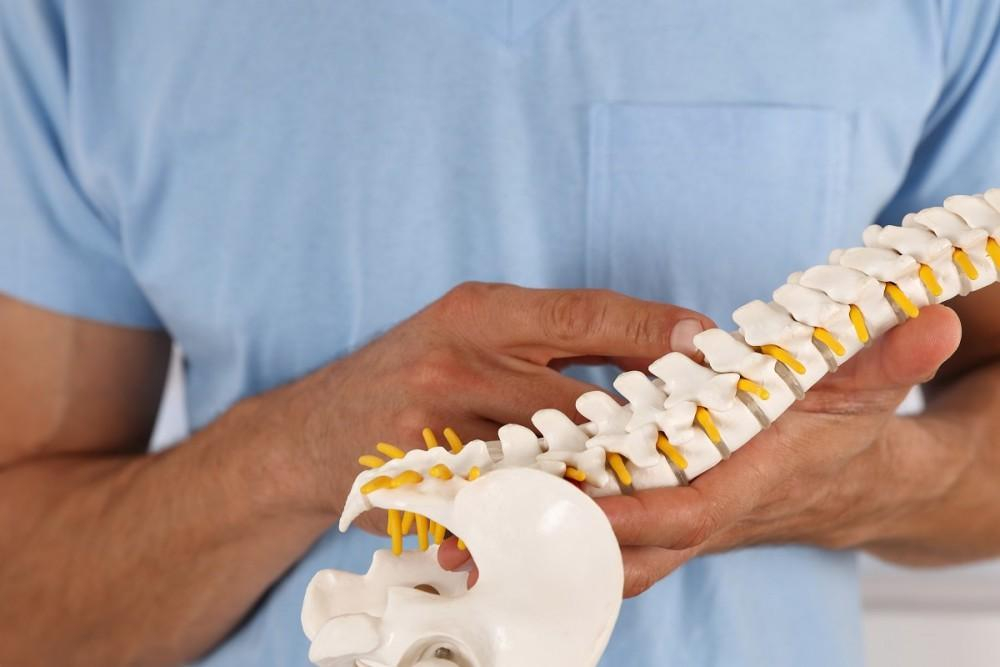
Spine degeneration, once considered a problem of old age, is now increasingly being diagnosed in young adults and even teenagers. Long working hours, excessive screen time, poor posture, and lack of physical activity have made spinal disorders a common issue in the younger generation. At the Neurology and Pain Management Clinic (NPMC), Dr. Gautam Arora, a leading neurologist, frequently treats young patients suffering from early signs of spine degeneration and chronic back or neck pain.
What Is Spine Degeneration?
Spine degeneration refers to the gradual wear and tear of spinal structures, including intervertebral discs, facet joints, ligaments, and vertebrae. These changes reduce flexibility, cushioning, and stability of the spine, leading to pain, stiffness, and nerve compression.
Common degenerative conditions include:
- Degenerative disc disease
- Cervical and lumbar spondylosis
- Disc bulge or herniation
- Spinal stenosis
While ageing remains a factor, lifestyle habits are now playing a major role in early degeneration.
Why Is Spine Degeneration Increasing in Young People?
Several modern lifestyle factors are responsible:
1. Prolonged Sitting & Screen Time: Students and professionals spend long hours on laptops and smartphones, often in poor postures that strain the neck and lower back.
2. Poor Ergonomics: Improper desk height, lack of lumbar support, and bad sleeping positions accelerate spinal stress.
3. Lack of Physical Activity: Weak core and back muscles fail to support the spine effectively.
4. Obesity: Excess body weight increases pressure on spinal discs.
5. Stress & Mental Health Issues: Stress causes muscle tension, leading to chronic pain and stiffness.
6. Sports Injuries & Overtraining: Improper training techniques or lack of warm-up can damage spinal structures.
Common Symptoms to Watch For
Early signs of spinal degeneration in young individuals include:
- Frequent neck or back pain
- Morning stiffness
- Pain radiating to arms or legs
- Numbness or tingling
- Headaches related to neck strain
- Reduced flexibility
- Fatigue after sitting or standing
Ignoring these symptoms can lead to long-term nerve damage and chronic disability.
Diagnosis at NPMC
At the Neurology and Pain Management Clinic, Dr. Gautam Arora performs a detailed neurological and postural evaluation. Diagnostic tools include:
- MRI and CT scans
- Digital X-rays
- Nerve conduction studies
- Posture and gait analysis
These help identify the exact stage and cause of degeneration.
Modern Treatment Approaches
Most young patients respond well to conservative treatment.
1. Lifestyle Modification: Correct posture, regular breaks from sitting, ergonomic workstations, and proper sleeping habits.
2. Physiotherapy & Rehabilitation: Customised exercise programs strengthen muscles and improve spinal stability.
3. Medications: Anti-inflammatory drugs and muscle relaxants reduce pain and stiffness.
4. Pain Management Techniques: At NPMC, advanced non-surgical procedures such as nerve blocks, trigger point injections, and spinal injections are used for chronic pain.
5. Stress Management: Yoga, meditation, and mental wellness programs play a key role.
Surgery is rarely needed in young individuals unless there is severe nerve compression or structural instability.
Preventing Spine Degeneration
Prevention is the most effective strategy:
- Maintain good posture
- Exercise regularly
- Avoid prolonged screen time
- Use ergonomic furniture
- Maintain a healthy body weight
- Manage stress
- Get regular spine checkups
Early intervention can completely halt or slow the progression.
Expert Care at NPMC
Under the guidance of Dr. Gautam Arora, NPMC offers comprehensive care that focuses on early diagnosis, non-invasive treatment, and long-term spinal health. His patient-centered approach ensures that young patients not only recover from pain but also learn how to protect their spine for the future.
Conclusion
Spine degeneration in the younger generation is a growing health concern driven by modern lifestyle habits. Recognising early symptoms and seeking expert neurological care is crucial. With timely treatment and preventive strategies at the Neurology and Pain Management Clinic, young individuals can maintain a healthy spine, stay active, and avoid long-term complications.
- Oyunlar
- Religion
- Party
- Networking
- Music
- Literature
- Art
- Health
- Gardening
- Shopping
- Food
- Fitness
- Film
- Drinks
- Dance
- Crafts
- Causes
- Wellness
- Devotional Reflections
- Bible Study & Scripture Insights
- Prayer & Worship
- Christian Living
- Spiritual Growth & Discipleship
- Testimonies & Personal Journeys
- Christian Theology & Doctrine
- Church Calendar & Liturgical Seasons
- Christian Service & Mission
- Gardening
- Health
- Home
- Literature
- Networking
- Other

 English
 Arabic
 French
 Spanish
 Portuguese
 Deutsch
 Dutch
Dutch
 Italiano
 Russian
 Romaian
 Portuguese (Brazil)
 Greek
Greek