


 Voorwaarden
 Privacy
The Growing Popularity of Hair Restoration Treatments
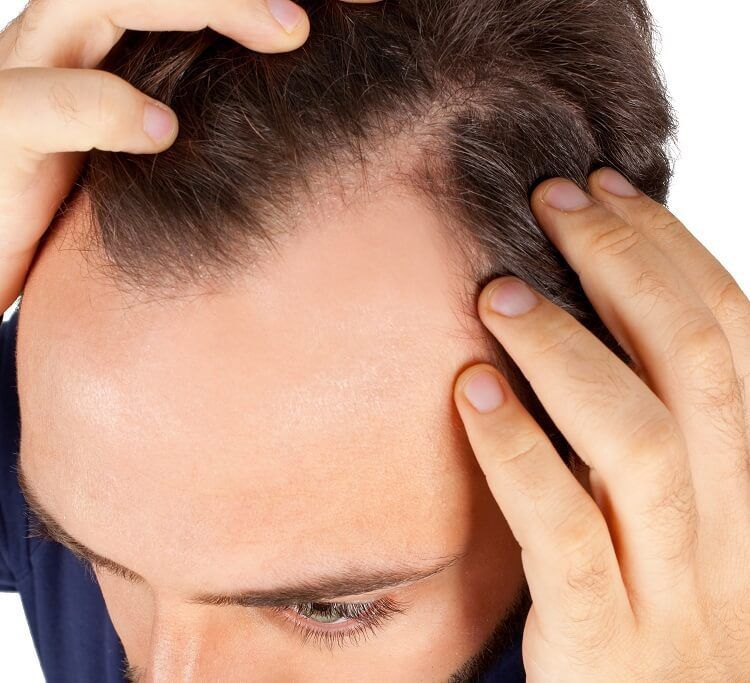
Hair loss is no longer considered just a cosmetic issue—it is a common concern affecting millions worldwide. In recent years, Hair Transplant in Riyadh, Jeddah & Saudi Arabia has emerged as a highly sought-after solution for both men and women seeking to regain a fuller, natural-looking hairline. From advanced medical techniques to innovative hair regrowth therapies, these treatments are reshaping the landscape of hair restoration. Whether you're dealing with thinning hair, bald patches, or receding hairlines, understanding modern hair restoration can help you make informed decisions about your options.
Understanding Hair Loss and Its Causes
Hair loss (تساقط الشعر) can occur due to a variety of reasons, ranging from genetics to lifestyle factors. Androgenetic alopecia, commonly known as male or female pattern baldness, is the leading cause of hair thinning. Hormonal imbalances, stress, nutritional deficiencies, and underlying medical conditions can also accelerate hair loss. Recognizing the root cause is crucial before pursuing any restoration treatment. Early intervention often leads to better results and can help maintain the health of existing hair.
Common Triggers of Hair Loss
-
Genetics: A family history of hair thinning or baldness increases susceptibility.
-
Hormonal Changes: Pregnancy, menopause, or thyroid issues can impact hair growth.
-
Stress & Lifestyle: Chronic stress, poor diet, and lack of sleep can weaken follicles.
-
Medical Conditions: Autoimmune disorders or scalp infections may contribute to hair loss.
Evolution of Hair Restoration Techniques
Over the past few decades, hair restoration has evolved from rudimentary methods to highly precise, minimally invasive procedures. Modern treatments focus on natural results while minimizing downtime. Techniques like Follicular Unit Extraction (FUE) and Follicular Unit Transplantation (FUT) allow surgeons to transplant hair with minimal scarring. Innovations in laser therapy, platelet-rich plasma (PRP) injections, and scalp micropigmentation complement surgical approaches, offering multiple solutions for patients.
Key Techniques in Hair Restoration
-
FUE Hair Transplant: Individual follicles are extracted and implanted for natural density.
-
FUT Hair Transplant: A strip of scalp is removed, and follicles are transplanted strategically.
-
PRP Therapy: Platelet-rich plasma promotes healing and stimulates dormant follicles.
-
Laser Therapy: Low-level lasers boost hair growth by improving blood circulation.
Why Hair Transplant in Riyadh, Jeddah & Saudi Arabia Is Trending
The rising demand for hair restoration in Saudi Arabia is driven by several factors. Cultural emphasis on personal appearance, coupled with advancements in medical technology, has made hair transplants more accessible and effective. Clinics in Riyadh and Jeddah are adopting global best practices, ensuring high standards of care. Patients benefit from professional consultations, tailored treatment plans, and follow-up care that emphasizes long-term results.
Factors Contributing to Popularity
-
High Success Rates: Modern techniques offer natural-looking outcomes.
-
Minimal Downtime: Many procedures are outpatient, allowing patients to resume daily life quickly.
-
Customized Treatments: Clinics offer solutions based on hair type, density, and patient goals.
-
Professional Expertise: Experienced surgeons and trained staff ensure safety and precision.
Preparing for a Hair Restoration Procedure
Preparation is a key part of achieving optimal results. A thorough evaluation by a certified specialist helps identify the most suitable treatment. Patients may undergo scalp assessments, blood tests, and lifestyle consultations. Pre-procedure instructions often include avoiding certain medications, quitting smoking, and maintaining scalp hygiene. Proper preparation minimizes complications and ensures the best possible outcome.
Pre-Procedure Recommendations
-
Medical Consultation: Discuss medical history and expectations.
-
Scalp Assessment: Analyze hair density and donor site suitability.
-
Lifestyle Adjustments: Maintain healthy nutrition and avoid harmful substances.
-
Medication Review: Certain drugs may need temporary discontinuation before surgery.
The Procedure and Recovery Process
Hair restoration procedures are typically performed under local anesthesia, ensuring patient comfort. FUE, for instance, involves extracting follicles from a donor area and implanting them into thinning regions. FUT uses a strip of scalp, which is then dissected into grafts for implantation. Post-procedure care is essential, including proper washing techniques, avoiding direct sun exposure, and following the prescribed medication or therapy. Recovery is gradual, with visible results typically appearing within 6-12 months.
Recovery Tips for Optimal Results
-
Follow the clinic’s care instructions precisely.
-
Avoid strenuous physical activity for the first few weeks.
-
Use recommended hair care products to protect grafts.
-
Attend follow-up appointments to monitor growth progress.
Non-Surgical Alternatives
Not all hair restoration requires surgery. Non-invasive treatments like PRP therapy, medicated shampoos, topical solutions, and laser therapy can help stimulate growth and maintain existing hair. These alternatives are particularly useful for early-stage hair loss or for patients not ready for surgery. Combining non-surgical methods with lifestyle improvements often enhances results.
Benefits of Non-Surgical Options
-
No incisions or sutures required.
-
Minimal recovery time.
-
Can complement surgical procedures for better density.
-
Suitable for both men and women experiencing mild hair thinning.
Myths and Misconceptions About Hair Restoration
Despite its popularity, several myths surround hair restoration. Some believe transplants look unnatural or require constant maintenance, while others assume results are immediate. Understanding the facts helps patients make informed decisions and set realistic expectations.
Common Myths
-
Hair Restoration Is Painful: Most procedures are performed under local anesthesia.
-
Results Are Instant: Visible improvement often takes several months.
-
Only Men Can Benefit: Women also see significant improvements in hair density.
-
Transplants Don’t Last: With proper care, results can be permanent.
Choosing the Right Clinic
Selecting a reputable clinic is critical for safe and effective hair restoration. Look for accredited facilities with certified specialists, positive patient reviews, and a transparent approach to treatment. Clinics like Royal Clinic Saudia offer personalized consultations, advanced technology, and post-procedure support, ensuring patients feel confident and cared for throughout the process.
Factors to Consider
-
Accreditation and certifications
-
Experienced medical team
-
Range of available procedures
-
Patient testimonials and before/after results
-
Transparent pre- and post-care guidance
Cost Considerations and Accessibility
While cost should not compromise quality, it is often a concern for patients considering hair restoration. Many clinics in Riyadh and Jeddah provide tailored packages and financing options. The focus should always be on professional expertise, proven techniques, and long-term results rather than the cheapest option. High-quality care ensures safety, efficacy, and natural-looking outcomes.
Long-Term Care and Maintenance
After undergoing hair restoration, maintaining healthy hair is essential. Patients are advised to follow a balanced diet, avoid excessive heat or chemical treatments, and adhere to the post-procedure care plan. Routine check-ups and non-invasive therapies may help maintain density and support natural growth.
Tips for Maintaining Restored Hair
-
Use mild, sulfate-free shampoos.
-
Avoid excessive styling or chemical treatments.
-
Maintain a healthy diet rich in vitamins and proteins.
-
Follow up with non-surgical treatments like PRP if recommended.
Benefits Beyond Appearance
Hair restoration impacts more than just physical appearance. Regaining a fuller hairline often enhances self-confidence, social interactions, and mental well-being. Patients frequently report feeling more youthful and empowered, illustrating the transformative effect of these treatments beyond aesthetics.
Psychological Advantages
-
Improved self-esteem and confidence
-
Reduced anxiety related to appearance
-
Positive social and professional perception
-
Enhanced overall quality of life
Conclusion
The growing popularity of Hair Transplant in Riyadh, Jeddah & Saudi Arabia reflects advancements in technology, growing awareness, and cultural appreciation of personal grooming. Whether through surgical or non-surgical methods, modern hair restoration solutions provide natural-looking, lasting results. For anyone considering this journey, consulting with an experienced clinic like Royal Clinic Saudia can guide you through personalized treatment plans, ensuring both safety and satisfaction. Take the first step toward renewed confidence and fuller hair today.
Call to Action: Contact Royal Clinic Saudia (عيادة رويال السعودية) to schedule a consultation and discover the hair restoration solution tailored just for you.
FAQs:
Q1: Is hair restoration suitable for both men and women?
Yes, modern hair restoration treatments benefit both men and women experiencing hair thinning, bald spots, or receding hairlines.
Q2: How long does it take to see results after a hair transplant?
Visible results usually appear within 6-12 months, with full density achieved gradually over time.
Q3: Are there non-surgical alternatives for hair restoration?
Yes, options like PRP therapy, laser therapy, and topical treatments can help stimulate growth and maintain existing hair.
Q4: How do I choose the right clinic for hair restoration?
Look for accredited clinics with certified specialists, positive patient reviews, advanced technology, and personalized treatment plans, like Royal Clinic Saudia.
- Spellen
- Religion
- Party
- Networking
- Music
- Literature
- Art
- Health
- Gardening
- Shopping
- Food
- Fitness
- Film
- Drinks
- Dance
- Crafts
- Causes
- Wellness
- Devotional Reflections
- Bible Study & Scripture Insights
- Prayer & Worship
- Christian Living
- Spiritual Growth & Discipleship
- Testimonies & Personal Journeys
- Christian Theology & Doctrine
- Church Calendar & Liturgical Seasons
- Christian Service & Mission
- Gardening
- Health
- Home
- Literature
- Networking
- Other

 English
 Arabic
 French
 Spanish
 Portuguese
 Deutsch
 Turkish
 Italiano
 Russian
 Romaian
 Portuguese (Brazil)
 Greek
Greek