


 Conditions générale de vente
 Confidentialité
Professional Heavy-Duty Carpet Cleaning Services
Introduction
Commercial and residential properties with heavily soiled carpets require specialized cleaning capabilities beyond standard maintenance services. Professional heavy-duty carpet cleaning combines industrial-strength equipment, advanced cleaning chemistry, proven extraction techniques, and experienced technicians to restore carpets facing extreme contamination, stubborn staining, and accumulated neglect. This comprehensive guide explores what defines professional heavy-duty services, when they become necessary, how to select qualified providers, and what results property owners and facility managers can realistically expect from intensive carpet restoration programs.
Defining Professional Heavy-Duty Carpet Cleaning
What Distinguishes Heavy-Duty from Standard Cleaning
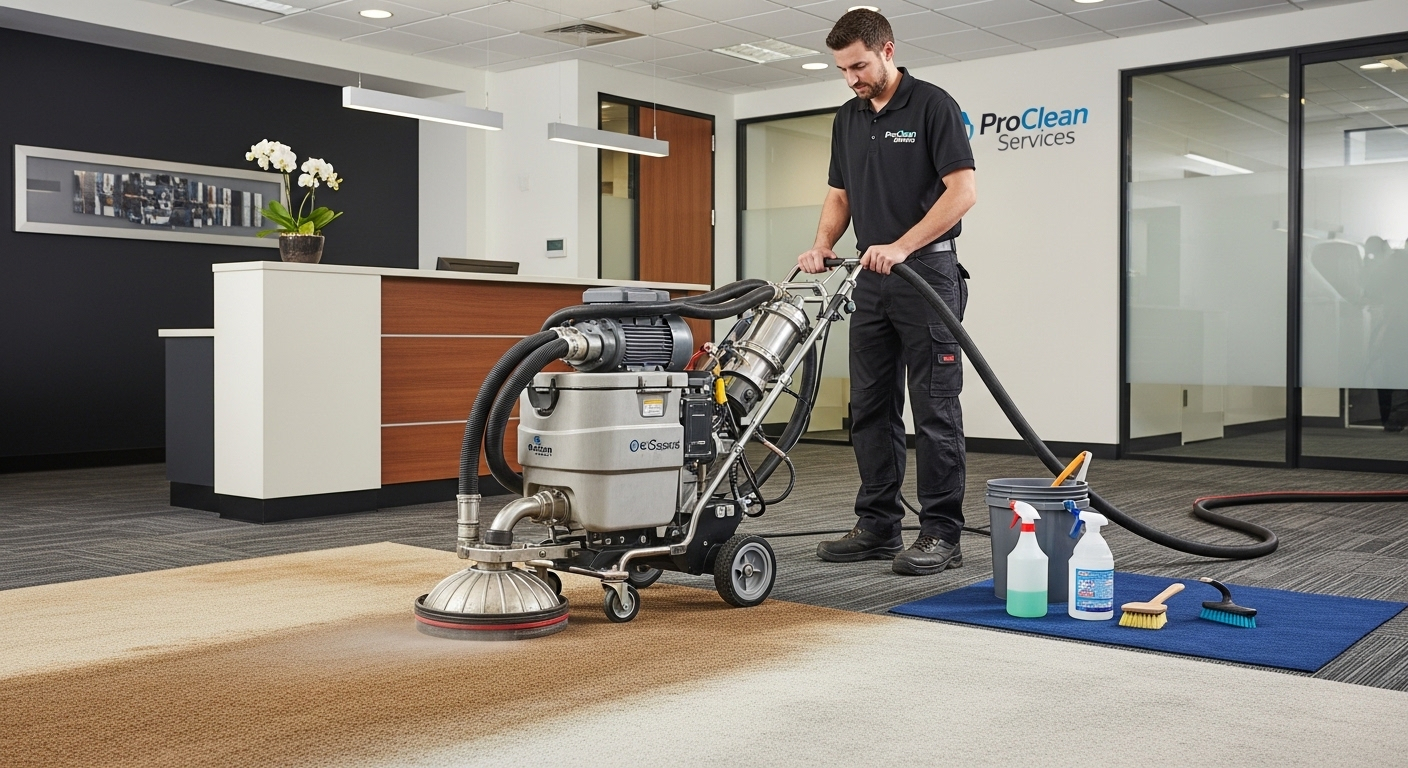
Professional heavy-duty carpet cleaning services differ fundamentally from routine maintenance through equipment power and capability, cleaning chemistry strength and specialization, technician expertise and training, time investment and thoroughness, and pre-treatment intensity and methodologies. Standard cleaning maintains reasonably clean carpets preventing gradual decline, while heavy-duty services restore heavily contaminated carpets to acceptable conditions. Equipment differences include truck-mounted systems generating 200°F+ water temperatures and 12" Hg vacuum versus portable units at 150-170°F and 6-8" Hg vacuum, professional-grade chemistry formulated for severe contamination versus general-purpose products, and specialized tools addressing embedded soil and stubborn stains.
When Heavy-Duty Cleaning Becomes Necessary
Specific situations warrant intensive professional intervention including neglected carpets receiving inadequate maintenance over months or years, post-construction cleaning addressing extensive dust and debris contamination, flood or water damage restoration requiring specialized extraction and drying, heavily soiled rental properties between tenants, commercial facilities with extreme traffic and contamination, odor remediation from pet accidents or biological contamination, and stain removal attempts after DIY failures. Heavy-duty cleaning addresses contamination overwhelming standard maintenance capabilities requiring aggressive restoration rather than routine upkeep.
Commercial vs. Residential Heavy-Duty Requirements
Commercial and residential heavy-duty cleaning share fundamental approaches but differ in scale and specific challenges. Commercial services address larger square footage requiring efficient high-volume equipment, extreme traffic patterns creating concentrated wear zones, diverse contamination from public access and varied activities, business continuity requirements minimizing downtime, and regulatory compliance in certain industries. Residential heavy-duty cleaning typically involves smaller areas with localized intensive contamination, pet-related issues requiring odor and stain treatment, neglect-related soil accumulation, and post-renovation cleanup. Both require professional-grade capabilities but applied through different operational approaches.
Realistic Expectations and Limitations
Professional services deliver remarkable results but cannot perform miracles. Realistic expectations include dramatic improvement in appearance and cleanliness, removal of most water-soluble stains and significant reduction of others, thorough extraction of embedded soil and contaminants, elimination of most odors through proper treatment, and extended carpet life through restoration. However, limitations include permanent damage from bleach, acids, or burns cannot be reversed, certain dyes and inks may prove permanent requiring color repair, extremely aged stains may resist complete removal, fiber damage from wear or improper previous cleaning cannot be undone, and some odors from deep subfloor contamination may require padding replacement. Professional carpet cleaning technicians provide honest assessments of achievable results rather than unrealistic promises.
Core Components of Heavy-Duty Carpet Cleaning
Industrial-Strength Hot Water Extraction
The foundation of professional heavy-duty carpet cleaning is truck-mounted hot water extraction delivering unmatched cleaning power. These systems heat water to 200-220°F activating cleaning chemistry maximally, inject solution at 500+ PSI driving deep into contaminated pile and backing, and extract with 12" Hg vacuum removing maximum moisture and dissolved contaminants. The combination of heat, pressure, chemical action, and extraction creates cleaning results impossible with lesser equipment. Truck-mounted systems provide unlimited water supply and waste tank capacity enabling thorough cleaning without interruption, while maintaining consistent performance throughout multi-hour jobs.
Intensive Pre-Treatment Protocols
Effective heavy-duty cleaning begins before extraction with comprehensive pre-treatment addressing visible contamination. Professional carpet cleaning services apply heavy-duty pre-treatment solutions formulated for severe soiling using pH-adjusted chemistry matching contamination types alkaline for oils and grease, acidic for mineral deposits, enzymatic for proteins, and oxidizing for tannins. Pre-treatments receive extended dwell time (10-20 minutes versus 5 minutes for standard cleaning) allowing chemistry to penetrate deeply and break down stubborn contamination. Mechanical agitation using counter-rotating brush machines or grooming rakes works chemistry into pile loosening embedded soil before extraction.
Specialized Stain Removal Techniques
Heavy-duty services include targeted stain treatment beyond general cleaning. Technicians identify specific stain types selecting appropriate chemistry and methods including solvent-based treatments for oil and grease, hydrogen peroxide or oxygen bleach for tannins and dyes, enzymatic cleaners for biological contamination, acid rinses for alkaline deposits, and combination approaches for complex or aged stains. Specialized spotting tools deliver concentrated treatment with simultaneous extraction preventing spread or over-wetting. Multiple treatment cycles may be necessary for stubborn contamination with each pass removing additional layers of embedded material.
Deep Soil Extraction and Grooming
Beyond surface cleaning, heavy-duty services address contamination throughout carpet depth. Extraction passes continue until effluent runs clean indicating complete soil removal, high-traffic areas receive additional attention and repeated passes, backing and padding contamination is addressed through sub-surface extraction techniques, and final grooming with carpet rakes lifts pile, distributes remaining moisture evenly, and accelerates drying. Professional technicians monitor extraction thoroughness using moisture meters ensuring adequate moisture removal preventing mold growth while avoiding over-drying that might damage backing adhesives.
Advanced Equipment and Technology
Truck-Mounted Extraction Systems
Commercial-grade truck-mounted systems represent the industry gold standard for heavy-duty cleaning. These diesel or gasoline-powered units mounted in service vehicles generate continuous hot water without temperature decay during operation, provide unlimited water supply from auxiliary tanks or hydrant connections, offer massive waste tank capacity (typically 100-200 gallons) enabling hours of continuous cleaning, and maintain consistent high performance regardless of job duration. Advanced systems incorporate automatic temperature and pressure controls, real-time performance monitoring, and specialized features like auxiliary pumps for high-rise buildings. Investment in quality truck-mounted systems differentiates professional heavy-duty carpet cleaning services from consumer or entry-level providers.
Portable High-Performance Extractors
While truck-mounted systems provide optimal power, quality portable extractors enable heavy-duty cleaning in locations where truck-mounted access proves impossible. Professional-grade portables feature inline heaters maintaining water temperature throughout operation, adequate pressure and vacuum for effective cleaning (though not matching truck-mounted power), self-contained operation requiring only electrical power, and sufficient tank capacity for reasonable coverage before refilling. Advanced portables approach truck-mounted performance in compact packages, though at higher cost and requiring more frequent service than truck systems. Professional services maintain both equipment types ensuring appropriate tool selection for each situation.
Counter-Rotating Brush Machines
Mechanical agitation significantly enhances cleaning effectiveness by working chemistry deep into pile, lifting embedded soil to carpet surface, separating matted and compressed fibers, and providing scrubbing action dissolving stubborn contamination. Counter-rotating brush machines (CRB machines) featuring dual brush heads spinning in opposite directions provide optimal agitation for pre-treatment application and bonnet cleaning. These machines typically precede extraction enabling pre-treatment chemistry to work more effectively, prepare carpets for deeper cleaning penetration, and restore texture to heavily trafficked compressed pile.
Air Movers and Dehumidification Equipment
Proper drying is critical for preventing mold growth, odor development, and rapid re-soiling. Professional services deploy high-velocity air movers creating powerful airflow across carpet surfaces, position fans strategically maximizing coverage and air circulation, use dehumidifiers in enclosed spaces or humid conditions removing moisture from ambient air, and monitor drying progress with moisture meters ensuring complete drying within appropriate timeframes (typically 4-8 hours for proper extraction). Commercial-grade drying equipment dramatically accelerates drying compared to natural air drying reducing downtime and preventing moisture-related problems.
Specialized Heavy-Duty Services
Post-Construction Cleaning
Construction and renovation projects create extensive carpet contamination requiring specialized cleaning addressing construction dust throughout pile and backing, drywall compound and joint tape residue, paint overspray or drips, adhesive residues from protective coverings, tracked-in mud and concrete dust, and general debris accumulation. Professional carpet cleaning services for post-construction begin with thorough dry vacuuming removing bulk debris, apply specialized pre-treatments dissolving construction residues, perform multiple extraction passes removing embedded dust, and implement final protective treatments. Post-construction cleaning often requires 2-3 times standard cleaning time due to contamination severity.
Water Damage Restoration
Flooding or significant water intrusion requires immediate professional intervention preventing permanent damage and mold growth. Water damage restoration includes emergency water extraction within hours of occurrence using portable extractors or truck-mounted systems, moisture mapping with infrared cameras and moisture meters identifying affected areas, controlled rapid drying using commercial air movers and dehumidifiers, antimicrobial treatment preventing bacterial and mold growth, and final cleaning once carpets dry completely. Category 2 (gray water) and Category 3 (black water) contamination may require padding replacement and subfloor treatment beyond carpet cleaning alone. Rapid professional response (within 24-48 hours) maximizes salvage potential.
Odor Remediation and Sanitization
Severe odor issues from pet contamination, biological spills, smoke damage, or mold growth require specialized treatment beyond standard cleaning. Odor remediation services include contamination source identification using moisture meters and black lights detecting urine, sub-surface treatment with enzymatic cleaners penetrating padding and backing, thorough extraction removing contaminated materials, antimicrobial and deodorizing treatments, and air scrubbing with HEPA filtration removing airborne particles and odors. Severe cases may require padding replacement or subfloor sealing achieving permanent elimination. Heavy-duty carpet cleaning for odor issues focuses on complete source removal rather than masking approaches providing temporary relief.
Carpet Restoration and Renewal
Heavily worn or neglected carpets may benefit from restoration services extending useful life and delaying replacement. Restoration includes deep soil extraction addressing years of accumulated contamination, fiber brightening using oxidizing agents removing yellowing and dullness, pile lifting through grooming and specialized treatments, stain removal and color correction through dyeing where appropriate, and protective treatments creating barriers against future soiling. While restoration cannot reverse physical fiber damage or wear, it can dramatically improve appearance and functionality of carpets otherwise approaching replacement making it cost-effective alternative when carpet structure remains sound.
Selecting Professional Heavy-Duty Cleaning Providers
Evaluating Technical Capabilities
Effective heavy-duty cleaning requires substantial technical capabilities. Assess providers through equipment inventory including truck-mounted systems or high-quality portable extractors, specialized tools for staining and odor treatment, adequate air moving and drying equipment, and backup equipment preventing breakdowns from halting operations. Verify comprehensive cleaning chemistry inventory addressing diverse contamination types, professional-grade products unavailable to consumers, and appropriate safety equipment and materials. Technical capabilities should match service claims—providers advertising heavy-duty services lacking proper equipment cannot deliver promised results.
Assessing Technician Expertise and Training
Service quality depends fundamentally on technician skill and knowledge. Professional heavy-duty carpet cleaning services employ technicians with IICRC (Institute of Inspection, Cleaning and Restoration Certification) certifications in carpet cleaning, water damage restoration where applicable, and specialized credentials for odor control or stain removal. Ongoing training programs keep technicians current with evolving methods, products, and technologies. Experienced technicians understand fiber types, appropriate cleaning methods, proper chemical selection, and problem-solving for challenging situations. Request technician qualifications, years of experience, and specialized training during provider evaluation.
Verifying Insurance and Liability Protection
Heavy-duty cleaning involves inherent risks requiring comprehensive insurance protection. Verify general liability insurance with minimum $2-5 million coverage protecting against property damage, workers' compensation insurance covering employee injuries, bonding providing protection against theft or fraud, and professional liability (errors and omissions) insurance addressing service failures. Request certificates of insurance directly from insurance carriers rather than relying on provider-supplied copies preventing fraudulent documentation. Adequate insurance transfers risks appropriately protecting property owners from liability while demonstrating provider professionalism and financial stability.
Understanding Guarantees and Service Agreements
Clear guarantees and agreements protect both parties through documented expectations. Service agreements should specify exact services included and pricing structures, realistic guarantees about achievable results, limitations and exclusions acknowledging some stains or damage may be permanent, recourse available if results prove unsatisfactory, and payment terms and schedules. Be cautious of unconditional guarantees promising removal of "any stain" professional technicians acknowledge limitations and set honest expectations rather than unrealistic promises. Written agreements prevent misunderstandings while creating accountability frameworks supporting successful service delivery.
The Heavy-Duty Cleaning Process
Initial Assessment and Inspection
Professional service begins with comprehensive assessment identifying contamination types and severity, carpet fiber content and construction, existing damage or wear patterns, moisture levels and potential underlying issues, and realistic expectations for achievable results. Technicians document pre-existing damage with photographs protecting against unwarranted liability claims, test carpet colorfastness to verify cleaning safety, measure moisture levels establishing baselines, and discuss findings with clients ensuring aligned understanding of conditions and expected outcomes. Thorough assessment enables appropriate treatment planning and prevents surprises during or after cleaning.
Pre-Treatment and Soil Suspension
After assessment, technicians apply appropriate pre-treatment solutions systematically throughout carpet using pump sprayers or injection systems, ensure even distribution without over-saturation, allow adequate dwell time for chemistry to work (typically 10-20 minutes), and mechanically agitate with counter-rotating brushes or grooming tools working solutions deep into pile. Pre-treatment breaks down stubborn soil, emulsifies oils and greases, suspends particles for easier extraction, and prepares carpet for maximum cleaning effectiveness during subsequent extraction. This critical preparatory step differentiates professional results from DIY or standard cleaning outcomes.
Hot Water Extraction and Soil Removal
Main extraction begins after pre-treatment using truck-mounted or portable systems injecting heated cleaning solution under pressure while simultaneously extracting with powerful vacuum. Technicians work systematically ensuring complete coverage, make multiple passes in heavily soiled areas, overlap strokes preventing missed sections, and continue extraction until effluent runs clear indicating thorough soil removal. Proper extraction technique balances adequate moisture for cleaning with moisture management preventing over-wetting, maintains consistent speed and pressure, and avoids excessive wetting of backing and padding. This extraction phase removes the bulk of contamination suspended by pre-treatment.
Post-Treatment, Grooming, and Drying
Final steps complete the cleaning process including neutralizing rinses if needed removing alkaline residue, spot treatment for any remaining visible stains, protective treatment application if specified, and carpet grooming with rakes lifting pile and distributing remaining moisture. Technicians deploy air movers positioned strategically to accelerate drying, provide client instructions for optimal drying conditions, schedule follow-up if needed for particularly challenging contamination, and document final results with photographs. Proper drying within 6-12 hours prevents mold growth and rapid re-soiling completing successful heavy-duty cleaning.
Maintenance After Heavy-Duty Cleaning
Protecting Fresh Cleaning Investment
Freshly cleaned carpets require protection to maintain results and maximize longevity. Implement foot traffic restrictions for 6-12 hours allowing complete drying, avoid moving furniture back immediately preventing indentations in damp carpet, place protective covers under furniture legs if replacement cannot be delayed, use entrance mats preventing soil reintroduction, and schedule regular vacuuming maintaining cleanliness. Professional technicians provide specific care instructions tailored to carpet type and cleaning methods used ensuring optimal results maintenance.
Establishing Regular Maintenance Schedules
Heavy-duty cleaning restores carpets but regular ongoing maintenance prevents future extreme contamination. Establish maintenance programs including daily vacuuming with commercial-grade equipment featuring HEPA filtration, immediate attention to spills preventing permanent staining, quarterly or semi-annual interim cleaning using encapsulation or bonnet methods, and annual or bi-annual deep extraction preventing soil re-accumulation. Regular maintenance extends time between needed heavy-duty interventions, controls long-term costs, and maintains professional appearance continuously rather than alternating between clean and heavily soiled conditions.
Protective Treatment Applications
Carpet protector applications after heavy-duty cleaning provide valuable benefits including soil resistance reducing contamination adhesion, stain resistance causing liquids to bead enabling easier blotting, easier routine cleaning requiring less intensive maintenance, and extended time between professional cleaning. Fluorochemical protectors bond to carpet fibers creating protective barriers without affecting texture or appearance. Protection gradually diminishes with use and cleaning requiring periodic reapplication (typically annually). While adding cost to initial cleaning, protection often proves cost-effective through reduced future maintenance requirements and extended carpet life.
Addressing High-Traffic Areas Proactively
Even with general maintenance, high-traffic areas require additional attention preventing accelerated re-soiling. Implement walk-off mat systems at entrances capturing soil before reaching main carpeted areas, consider carpet runners or protectors in primary traffic paths, increase vacuuming frequency in high-use zones, schedule interim cleaning more frequently for traffic areas compared to entire facility, and monitor conditions closely enabling early intervention before visible deterioration. Proactive high-traffic management maintains overall carpet appearance preventing situation where traffic areas appear significantly worse than surrounding carpet.
Cost Considerations and Value Analysis
Professional Heavy-Duty Cleaning Pricing
Professional heavy-duty carpet cleaning services cost significantly more than routine maintenance reflecting equipment, chemistry, time, and expertise requirements. Typical pricing includes $0.40-$0.80 per square foot for residential heavy-duty cleaning, $0.35-$0.65 per square foot for commercial applications, $25-$75 per significant stain for specialized treatment, and $150-$500+ for odor remediation depending on severity and area. Post-construction, water damage restoration, and extreme contamination warrant premium pricing reflecting extraordinary time and material requirements. Request detailed estimates specifying services included, square footage calculations, and additional charges for specialized treatments enabling informed cost evaluation.
Comparing Replacement vs. Restoration Costs
Heavy-duty cleaning often represents fraction of replacement cost making restoration economically compelling. Compare cleaning costs ($0.40-$0.80 per square foot) against carpet replacement ($3-$15 per square foot installed) considering carpet remaining useful life post-cleaning, overall condition beyond cleanable soiling, facility appearance standards and expectations, and business or occupancy disruption from replacement. If professional cleaning can extend carpet life 2-5 years, investment typically proves highly cost-effective even if substantial. Restoration makes particular sense when carpet structure remains sound with contamination representing primary issue rather than physical wear or damage.
Long-Term Value of Professional Service
Professional heavy-duty cleaning delivers value beyond immediate appearance improvement including extended carpet life through contamination removal and fiber restoration, improved indoor air quality removing trapped allergens and particulates, enhanced facility appearance supporting tenant satisfaction or business image, reduced total ownership costs by delaying expensive replacement, and health benefits from proper sanitization and contaminant removal. Calculate value considering these broader benefits rather than just direct cleaning costs versus DIY alternatives. Professional service typically delivers superior total value despite higher upfront costs through better results, reduced risks, and longer-lasting outcomes.
Budget Planning for Periodic Heavy-Duty Cleaning
Anticipate heavy-duty cleaning requirements in facility budgets rather than treating as unexpected expenses. Properties with deferred maintenance should budget for catch-up intensive cleaning initially, then establish regular maintenance preventing future extreme contamination. Typical budget allocation includes annual deep cleaning budgets of 0.5-1.5% of carpet replacement value for properly maintained facilities, additional 1-2% annually for high-traffic commercial environments, and contingency reserves for unexpected needs like water damage or significant staining incidents. Proactive budgeting enables timely maintenance preventing neglect-related deterioration requiring more expensive restoration or premature replacement.
Environmental and Health Considerations
Green Heavy-Duty Cleaning Options
Environmental responsibility and health concerns increasingly influence cleaning service selection. Professional carpet cleaning services offer green heavy-duty options utilizing plant-based cleaning chemistry with minimal environmental impact, biodegradable products breaking down naturally, low-VOC formulations reducing chemical exposure and indoor air impacts, and water conservation methods using low-moisture techniques where appropriate. Green cleaning products have improved dramatically now delivering cleaning power approaching or matching traditional chemistry for most applications. Discuss environmental priorities with service providers balancing green preferences with cleaning effectiveness requirements for specific contamination.
Indoor Air Quality Improvements
Heavy-duty cleaning significantly improves indoor air quality through removal of trapped allergens including dust mites, pollen, and pet dander, extraction of particulate matter and pollutants, elimination of bacterial and mold contamination, and reduction of volatile organic compounds from soil and previous treatments. Proper cleaning using adequate extraction and complete drying prevents mold growth that could worsen air quality. HEPA filtration vacuum systems and air scrubbers during cleaning prevent contamination redistribution. Indoor air quality benefits often justify cleaning costs through improved occupant health, reduced respiratory complaints, and enhanced overall comfort.
Health and Safety During Cleaning
Professional services implement safety protocols protecting occupants and technicians including proper ventilation during cleaning and drying, appropriate personal protective equipment for technicians, clear communication about access restrictions during service, and safe product selection and handling. Most professional cleaning allows immediate access once surfaces dry (typically 4-8 hours) with no ongoing exposure concerns. Chemically sensitive individuals should discuss concerns with providers potentially using specialized low-sensitivity products. Safety data sheets (SDS) for products used should be available upon request.
Sustainability and Waste Management
Professional cleaning generates wastewater containing extracted contaminants requiring proper disposal. Reputable heavy-duty carpet cleaning services manage waste responsibly through proper wastewater disposal per local regulations, recycling of packaging and containers where possible, efficient chemical use minimizing waste generation, and environmental management systems documenting sustainable practices. Truck-mounted systems typically discharge to sanitary sewers with approval, while some jurisdictions require special handling. Discuss waste management practices with providers ensuring compliance and environmental responsibility.
Conclusion
Professional heavy-duty carpet cleaning services provide essential solutions for heavily contaminated, neglected, or challenged carpets beyond standard maintenance capabilities. Success requires industrial-strength equipment including truck-mounted extraction systems, advanced cleaning chemistry formulated for severe contamination, proven intensive techniques including thorough pre-treatment and multiple extraction passes, and experienced technicians with training and expertise addressing complex restoration challenges. While heavy-duty cleaning involves higher costs than routine maintenance, it delivers dramatic results often extending carpet life years and avoiding expensive premature replacement. Selecting qualified providers with appropriate capabilities, realistic expectations about achievable results, and commitment to proper maintenance after restoration enables property owners and facility managers to restore carpet investments, maintain professional appearance, support healthy indoor environments, and control long-term flooring costs through strategic intensive cleaning interventions when contamination exceeds routine maintenance capabilities.
- Jeux
- Religion
- Party
- Networking
- Music
- Literature
- Art
- Health
- Gardening
- Shopping
- Food
- Fitness
- Film
- Drinks
- Dance
- Crafts
- Causes
- Wellness
- Devotional Reflections
- Bible Study & Scripture Insights
- Prayer & Worship
- Christian Living
- Spiritual Growth & Discipleship
- Testimonies & Personal Journeys
- Christian Theology & Doctrine
- Church Calendar & Liturgical Seasons
- Christian Service & Mission
- Gardening
- Health
- Domicile
- Literature
- Networking
- Autre

 English
 Arabic
 Spanish
 Portuguese
 Deutsch
 Turkish
 Dutch
Dutch
 Italiano
 Russian
 Romaian
 Portuguese (Brazil)
 Greek
Greek