


 Goto chatroom
 Termos
 Privacidade
Improving Revenue Accuracy in Wound Care Practices
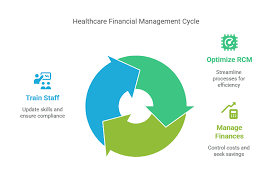
Delivering effective wound care requires precision, consistency, and careful documentation. However, behind every successful clinical outcome is a structured billing process that ensures financial stability for the practice. In today’s healthcare environment, revenue accuracy is no longer optional—it is essential for sustainability and growth.
This article explores how wound care practices can strengthen their billing systems, reduce claim errors, and improve overall revenue performance through organized workflows and compliance-driven strategies.
Understanding the Financial Side of Wound Care
Wound care treatments often involve ongoing evaluations, multiple procedures, and extended patient follow-ups. Unlike general outpatient visits, wound management frequently requires detailed documentation of wound progression, treatment adjustments, and medical necessity.
Each visit may include:
-
Evaluation and management services
-
Debridement procedures
-
Application of specialized dressings
-
Advanced therapeutic interventions
-
Follow-up assessments
Because services vary depending on wound severity and healing progress, billing must accurately reflect every element of care provided.
Why Revenue Accuracy Matters
Revenue accuracy directly impacts:
-
Cash flow stability
-
Operational planning
-
Staff productivity
-
Patient trust
Even small coding inconsistencies can result in delayed reimbursements or denied claims. Over time, these inefficiencies can significantly affect a practice’s financial health.
Practices that prioritize structured billing processes typically experience fewer denials and faster reimbursement cycles.
Common Challenges in Wound Care Billing
1. Incomplete Documentation
One of the most common causes of denied claims is insufficient documentation. Missing wound measurements, unclear descriptions, or lack of medical necessity explanations can create reimbursement issues.
Clear documentation should include:
-
Wound size and depth
-
Tissue condition
-
Signs of infection
-
Treatment provided
-
Patient response
-
Ongoing care plan
Consistency in charting reduces the risk of discrepancies between documentation and submitted codes.
2. Coding Errors
Accurate coding is critical in wound care due to the variety of procedures involved. Coding errors may arise from:
-
Using outdated code references
-
Misinterpreting depth-based procedure codes
-
Incorrectly combining services
Regular staff training and periodic coding audits can significantly reduce these risks.
3. Payer Policy Variations
Insurance providers often have unique guidelines regarding frequency limitations, documentation requirements, and reimbursement rules. Staying updated with payer policy changes ensures compliance and prevents unexpected denials.
Maintaining an internal payer reference guide can help billing teams respond efficiently to policy updates.
Best Practices for Strengthening Billing Workflows
Standardize Clinical Documentation
Creating structured templates for wound assessments helps ensure no critical detail is overlooked. Standardized documentation improves clarity and supports accurate code selection.
A consistent documentation system also simplifies internal audits and reduces administrative confusion.
Implement Internal Audits
Routine billing audits allow practices to:
-
Identify recurring errors
-
Correct documentation gaps
-
Improve staff education
-
Ensure compliance standards are met
Audits are not only corrective but also preventive tools for long-term financial improvement.
Use Data to Monitor Performance
Tracking key revenue metrics provides insight into billing effectiveness. Important indicators include:
-
Claim denial rate
-
Days in accounts receivable
-
First-pass claim acceptance rate
-
Revenue per patient visit
Monitoring these metrics regularly allows leadership to address inefficiencies before they escalate.
Train Staff Continuously
Healthcare regulations and coding standards evolve regularly. Ongoing education ensures billing and administrative staff stay current with industry standards.
Training should cover:
-
Documentation accuracy
-
Updated coding guidelines
-
Compliance requirements
-
Payer-specific rules
A knowledgeable team reduces errors and improves reimbursement timelines.
The Role of Specialized Billing Support
As wound care procedures become more advanced, billing processes become more detailed. Many practices benefit from professional oversight or structured Wound Care Billing Services to ensure compliance, coding precision, and optimized revenue cycles.
While in-house billing can work effectively, specialized expertise often improves efficiency and reduces administrative strain on clinical teams.
Enhancing Patient Transparency
Clear communication with patients regarding billing procedures also plays a role in revenue accuracy. When patients understand:
-
What services were provided
-
Why certain procedures were necessary
-
How insurance coverage applies
They are less likely to dispute charges, which reduces administrative workload.
Offering clear billing summaries and responsive support improves patient confidence and satisfaction.
Building a Sustainable Revenue Model
A financially healthy wound care practice is built on three pillars:
-
Accurate documentation
-
Compliant coding
-
Efficient claim submission
When these components align, practices experience:
-
Faster reimbursements
-
Reduced claim rework
-
Improved operational stability
-
Stronger long-term growth potential
Revenue accuracy is not a one-time adjustment—it is an ongoing process of evaluation and improvement.
Conclusion
Wound care practices operate in a highly specialized clinical environment that demands both medical expertise and administrative precision. By focusing on structured documentation, consistent coding practices, continuous staff education, and performance monitoring, healthcare providers can significantly improve billing accuracy and financial outcomes.
A proactive approach to revenue management ensures that providers can focus on delivering quality care while maintaining financial sustainability. In today’s healthcare landscape, optimizing billing processes is not just beneficial—it is essential for long-term success.
- Jogos
- Religion
- Party
- Networking
- Music
- Literature
- Art
- Health
- Gardening
- Shopping
- Food
- Fitness
- Film
- Drinks
- Dance
- Crafts
- Causes
- Wellness
- Devotional Reflections
- Bible Study & Scripture Insights
- Prayer & Worship
- Christian Living
- Spiritual Growth & Discipleship
- Testimonies & Personal Journeys
- Christian Theology & Doctrine
- Church Calendar & Liturgical Seasons
- Christian Service & Mission
- Gardening
- Health
- Início
- Literature
- Networking
- Outro

 አማርኛ
አማርኛ
 Afaan Oromoo
 English
 Arabic
 French
 Spanish
 Portuguese
 Deutsch
 Turkish
 Dutch
Dutch
 Italiano
 Russian
 Romaian
 Greek
Greek