


 Goto chatroom
 Voorwaarden
 Privacy
Social Media Scheduler in 2026: Way to Automate Content and Maximize Engagement
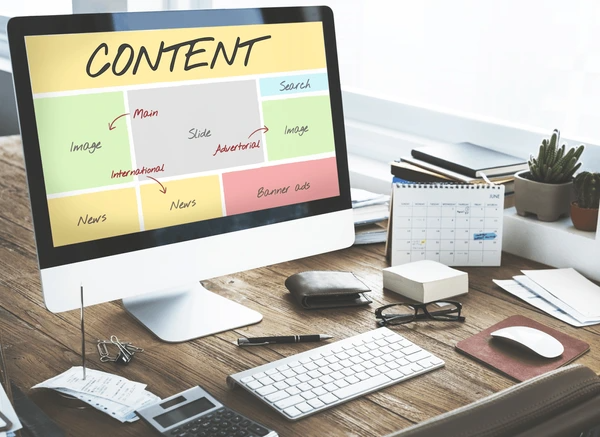
Consistency is the foundation of success on digital platforms. However, manually posting content every day is time-consuming and inefficient. In 2026, businesses rely on a social media scheduler to automate publishing, optimize posting times, and maintain a structured content strategy.
A modern scheduling tool does more than queue posts—it integrates automation, analytics, and performance tracking to support scalable social media marketing. This guide explains how a social media scheduler works, why it matters, and how to use it effectively.
What Is a Social Media Scheduler?
A social media scheduler is a software platform that allows businesses to plan, create, and automatically publish content across multiple social networks.
It supports:
-
Automated post scheduling
-
Content calendar management
-
Multi-platform publishing
-
Bulk content upload
-
Hashtag management
-
Performance analytics
-
Audience engagement tracking
Instead of logging in daily to publish posts manually, businesses can batch-create content and schedule it strategically.
Why a Social Media Scheduler Is Essential in 2026
1. Consistent Posting Frequency
Algorithms prioritize active and consistent accounts. Scheduling ensures regular content delivery.
2. Time Efficiency
Batch scheduling reduces repetitive tasks and improves productivity.
3. Optimized Posting Times
Advanced scheduling tools analyze audience behavior to recommend high-engagement time slots.
4. Improved Content Strategy
A visual content calendar helps align posts with marketing campaigns and business goals.
5. Performance Tracking
Analytics dashboards provide insights into reach, impressions, click-through rate, and engagement rate.
Key Features to Look For
When choosing a social media scheduler, prioritize:
-
Cross-platform integration
-
Automated publishing
-
AI-powered caption suggestions
-
Predictive analytics
-
Social listening tools
-
Engagement management
-
Content performance reporting
Combining automation with analytics enhances overall digital marketing efficiency.
How a Social Media Scheduler Supports SEO and Brand Visibility
Although social posts do not directly impact search rankings, a structured posting strategy helps:
-
Drive qualified website traffic
-
Increase brand awareness
-
Improve content distribution
-
Support content marketing efforts
-
Strengthen online reputation
When integrated with a powerful AI Marketing Tool, businesses can analyze audience data and optimize campaigns more effectively.
Best Practices for Using a Social Media Scheduler
Create a Content Calendar
Plan posts around seasonal campaigns, promotions, and audience interests.
Customize Posts for Each Platform
Avoid duplicating content across channels. Adapt tone and format accordingly.
Monitor Performance Metrics
Review analytics to identify high-performing content and refine strategy.
Balance Automation with Engagement
Scheduling improves efficiency, but real-time interaction builds trust.
For businesses aiming to scale efficiently, combining automation with structured Social Media Management ensures both consistency and performance optimization.
Common Mistakes to Avoid
-
Over-automating without reviewing content
-
Ignoring audience comments
-
Posting without a clear content strategy
-
Scheduling outdated or irrelevant content
-
Failing to track key performance indicators
Avoiding these issues maintains authenticity and effectiveness.
Industries That Benefit Most from a Social Media Scheduler
-
E-commerce brands
-
SaaS companies
-
Local service businesses
-
Digital agencies
-
Influencers and content creators
-
Professional services firms
Any organization managing multiple social accounts benefits from automated scheduling systems.
Emerging Trends in Social Media Scheduling
In 2026, advanced scheduling platforms include:
-
AI-driven content recommendations
-
Predictive engagement forecasting
-
Automated A/B testing
-
Social commerce integration
-
Real-time performance optimization
These innovations transform social media scheduling from a convenience tool into a strategic growth asset.
Conclusion
A social media scheduler is no longer optional—it is a critical component of modern digital strategy. By automating publishing, improving consistency, tracking performance metrics, and supporting content planning, businesses can scale their online presence efficiently.
When integrated with advanced marketing tools and analytics systems, social media scheduling becomes a powerful engine for engagement and long-term growth.
- Spellen
- Religion
- Party
- Networking
- Music
- Literature
- Art
- Health
- Gardening
- Shopping
- Food
- Fitness
- Film
- Drinks
- Dance
- Crafts
- Causes
- Wellness
- Devotional Reflections
- Bible Study & Scripture Insights
- Prayer & Worship
- Christian Living
- Spiritual Growth & Discipleship
- Testimonies & Personal Journeys
- Christian Theology & Doctrine
- Church Calendar & Liturgical Seasons
- Christian Service & Mission
- Gardening
- Health
- Home
- Literature
- Networking
- Other

 አማርኛ
አማርኛ
 Afaan Oromoo
 English
 Arabic
 French
 Spanish
 Portuguese
 Deutsch
 Turkish
 Italiano
 Russian
 Romaian
 Portuguese (Brazil)
 Greek
Greek