• Learn the key differences between 102 and 108 ambulance services in India, their purpose, availability, target beneficiaries, and when to call each.
    https://tatkaalambulance.com/difference-between-102-and-108-ambulance/
    #ambulance #102vs108 #102ambulance #108ambulance
    Learn the key differences between 102 and 108 ambulance services in India, their purpose, availability, target beneficiaries, and when to call each. https://tatkaalambulance.com/difference-between-102-and-108-ambulance/ #ambulance #102vs108 #102ambulance #108ambulance
    TATKAALAMBULANCE.COM
    What is the Difference Between 102 and 108 Ambulance?
    Learn the key differences between 102 and 108 ambulance services in India, their purpose, availability, target beneficiaries, and when to call each.
    0 Comments 0 Shares
  • Medical Incubator Market Insights: Protecting Newborns Worldwide to 2031

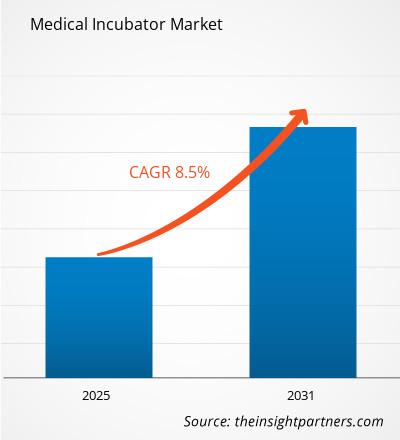
    Pune, India - Medical incubators provide a safe, controlled environment for premature and vulnerable newborns, maintaining precise temperature, humidity, and oxygen levels to support early development. These vital devices give parents peace of mind while enabling healthcare teams to focus on critical care, turning fragile starts into stories of hope and resilience. The Medical Incubator Market is expected to register a CAGR of 8.50% from 2025 to 2031.

    Market Size, Share, Trends, Analysis, and Forecast by 2031

    Global Overview: The medical incubator market expands steadily through 2031, driven by rising needs for advanced neonatal support in hospitals and clinics worldwide.
    Market Share Dynamics: Neonatal incubators hold the largest share, with portable models gaining ground over stationary ones for versatile use.
    Key Trends: Integration of smart monitoring and IoT connectivity enhances real-time oversight, while energy-efficient designs appeal to resource-limited settings.
    Analysis Highlights: Hospitals dominate end-use, followed by research labs, as multifunctional units address diverse clinical demands.
    Forecast to 2031: Growth continues with AI-driven adjustments and telemedicine features, projecting sustained progress across product types.
    Global and Regional Analysis

    North America leads with cutting-edge facilities and high adoption in the US and Canada, backed by robust healthcare investments. Europe prioritizes regulatory standards in Germany, the UK, and France for quality assurance. Asia-Pacific grows fastest, propelled by expanding NICUs in India, China, and Japan amid urbanization. Latin America and Middle East & Africa advance through government initiatives targeting rural maternal health.

    Key Drivers Accelerating Market Growth

    Increasing preterm births worldwide heighten demand for reliable incubators that mimic womb conditions for better survival rates. Government healthcare programs in developing regions equip more facilities, while technological upgrades like automated controls reduce caregiver burden. Rising parental awareness and hospital expansions further fuel adoption of these life-sustaining tools.

    Key Players

    Andreas Hettich GmbH & Co. KG
    Atom Medical Corporation
    BMT Medical Technology SRO
    Drägerwerk AG & Co. KGaA
    GE Healthcare
    Medhold Medical (PTY) Ltd
    Natus Medical Incorporated
    Panasonic Healthcare Co. Ltd
    Phoenix Medical Systems (P) Ltd

    Get More Information: - https://www.theinsightpartners.com/reports/medical-incubator-market

    Emerging Trends and Market Opportunities

    AI-powered predictive adjustments for temperature and humidity create smarter, proactive care in medical incubators. Portable, battery-operated models open doors for ambulances and remote clinics. Low-cost, durable options target underserved areas, while telemedicine links enable expert oversight from afar. Collaborations between manufacturers and hospitals spur customized solutions for specific needs.

    Recent Industry Developments

    In 2025, GE Healthcare launched next-gen incubators with enhanced IoT for remote monitoring, aiding rural hospitals. Dräger updated its Isolette series with AI temperature stabilization, praised in neonatal reviews. Medtronic partnered with Asian networks to deploy affordable units amid preterm surges. Atom Medical expanded portable lines for emergency transport, reflecting a focus on accessibility. These innovations underscore commitment to equitable newborn care.

    Conclusion

    Medical incubators embody hope in healthcare, safeguarding the tiniest patients through innovation and compassion. As global needs evolve and technologies advance, this sector promises healthier starts for generations. Providers investing in accessibility and smarts will lead vital progress forward.

    About The Insight Partners

    The Insight Partners is a global leader in market research, delivering comprehensive analysis and actionable insights across diverse industries. The company empowers decision-makers with data-driven intelligence to navigate evolving markets and accelerate growth.

    Contact Us:

    Contact Person: Ankit Mathur
    E-mail: ankit.mathur@theinsightpartners.com
    Phone: +1-646-491-9876
    Also Available in :

    Korean | German | Japanese | French | Chinese | Italian | Spanish

    Medical Incubator Market Insights: Protecting Newborns Worldwide to 2031 Pune, India - Medical incubators provide a safe, controlled environment for premature and vulnerable newborns, maintaining precise temperature, humidity, and oxygen levels to support early development. These vital devices give parents peace of mind while enabling healthcare teams to focus on critical care, turning fragile starts into stories of hope and resilience. The Medical Incubator Market is expected to register a CAGR of 8.50% from 2025 to 2031. Market Size, Share, Trends, Analysis, and Forecast by 2031 Global Overview: The medical incubator market expands steadily through 2031, driven by rising needs for advanced neonatal support in hospitals and clinics worldwide. Market Share Dynamics: Neonatal incubators hold the largest share, with portable models gaining ground over stationary ones for versatile use. Key Trends: Integration of smart monitoring and IoT connectivity enhances real-time oversight, while energy-efficient designs appeal to resource-limited settings. Analysis Highlights: Hospitals dominate end-use, followed by research labs, as multifunctional units address diverse clinical demands. Forecast to 2031: Growth continues with AI-driven adjustments and telemedicine features, projecting sustained progress across product types. Global and Regional Analysis North America leads with cutting-edge facilities and high adoption in the US and Canada, backed by robust healthcare investments. Europe prioritizes regulatory standards in Germany, the UK, and France for quality assurance. Asia-Pacific grows fastest, propelled by expanding NICUs in India, China, and Japan amid urbanization. Latin America and Middle East & Africa advance through government initiatives targeting rural maternal health. Key Drivers Accelerating Market Growth Increasing preterm births worldwide heighten demand for reliable incubators that mimic womb conditions for better survival rates. Government healthcare programs in developing regions equip more facilities, while technological upgrades like automated controls reduce caregiver burden. Rising parental awareness and hospital expansions further fuel adoption of these life-sustaining tools. Key Players Andreas Hettich GmbH & Co. KG Atom Medical Corporation BMT Medical Technology SRO Drägerwerk AG & Co. KGaA GE Healthcare Medhold Medical (PTY) Ltd Natus Medical Incorporated Panasonic Healthcare Co. Ltd Phoenix Medical Systems (P) Ltd Get More Information: - https://www.theinsightpartners.com/reports/medical-incubator-market Emerging Trends and Market Opportunities AI-powered predictive adjustments for temperature and humidity create smarter, proactive care in medical incubators. Portable, battery-operated models open doors for ambulances and remote clinics. Low-cost, durable options target underserved areas, while telemedicine links enable expert oversight from afar. Collaborations between manufacturers and hospitals spur customized solutions for specific needs. Recent Industry Developments In 2025, GE Healthcare launched next-gen incubators with enhanced IoT for remote monitoring, aiding rural hospitals. Dräger updated its Isolette series with AI temperature stabilization, praised in neonatal reviews. Medtronic partnered with Asian networks to deploy affordable units amid preterm surges. Atom Medical expanded portable lines for emergency transport, reflecting a focus on accessibility. These innovations underscore commitment to equitable newborn care. Conclusion Medical incubators embody hope in healthcare, safeguarding the tiniest patients through innovation and compassion. As global needs evolve and technologies advance, this sector promises healthier starts for generations. Providers investing in accessibility and smarts will lead vital progress forward. About The Insight Partners The Insight Partners is a global leader in market research, delivering comprehensive analysis and actionable insights across diverse industries. The company empowers decision-makers with data-driven intelligence to navigate evolving markets and accelerate growth. Contact Us: Contact Person: Ankit Mathur E-mail: ankit.mathur@theinsightpartners.com Phone: +1-646-491-9876 Also Available in : Korean | German | Japanese | French | Chinese | Italian | Spanish
    WWW.THEINSIGHTPARTNERS.COM
    Medical Incubator Market by Size, Share & Scope Analysis 2031
    Medical Incubator Market is set to reach 8.50% CAGR by 2031. Analyze the latest mergers, acquisitions, and investment deals shaping the landscape of the market
    0 Comments 0 Shares
  • The Importance of Traffic Rules: Why They Matter More Than We Realize

    Traffic rules are more than just a set of instructions printed in a government handbook—they are the backbone of road safety, discipline, and smooth transportation. Whether you’re a driver, a motorcyclist, a cyclist, or a pedestrian, following traffic rules
    is essential for protecting yourself and the people around you.

    In today’s fast-paced world, roads are busier than ever. Vehicles move quickly, distractions are everywhere, and one careless mistake can cost a life. This is why understanding and respecting traffic rules is not just a responsibility—it’s a necessity.

    1. Traffic Rules Prevent Accidents

    The primary purpose of traffic rules is to reduce accidents. Speed limits, lane discipline, stop signs, traffic signals, and pedestrian crossings are all designed to avoid collisions.
    When drivers ignore these rules—like overspeeding or running red lights—the chances of accidents multiply instantly.

    Following traffic rules ensures:

    Drivers know when to stop or slow down

    Everyone moves in an organized manner

    Fewer road conflicts and confusion

    The result? Safer roads for everyone.

    2. They Protect Lives

    Every day, thousands of people lose their lives due to road accidents. Many of these tragedies could be avoided simply by following basic traffic rules—wearing seat belts, using helmets, avoiding drunk driving, and respecting speed limits.

    Even a small action, like checking the mirror before changing lanes, can save a life.

    3. Traffic Rules Reduce Traffic Jams

    Traffic jams often happen because drivers don't follow lane discipline or road signs. When people cut lanes, block intersections, or stop in the wrong place, it slows down everyone else.

    Proper traffic rule compliance helps:

    Maintain smooth movement of vehicles

    Reduce congestion during peak hours

    Save time and fuel

    When everyone follows the laws, the entire city moves more efficiently.

    4. They Help Maintain Order on Roads

    Roads work smoothly only when there is discipline. Traffic rules create a structured flow, ensuring:

    Vehicles stay in their designated lanes

    Pedestrians cross safely

    Emergency vehicles get right of way

    Without rules, roads would become chaotic and dangerous.

    5. They Build Responsible Citizens

    Following traffic rules is a sign of respect—for your safety and for society. It shows discipline and responsibility. When children see adults respecting traffic laws, they learn to do the same.

    A responsible road culture can only be built when everyone participates.

    6. Traffic Rules Protect the Environment

    Simple guidelines like avoiding unnecessary honking, maintaining vehicle condition, and preventing reckless driving help reduce pollution. Smooth and disciplined driving also lowers fuel consumption.

    This means traffic rules don’t just protect people—they protect the planet too.

    7. They Support Emergency and Public Services

    When traffic rules are followed, ambulances, fire trucks, and police can reach incidents faster. Blocking intersections or ignoring sirens can delay emergency responses and cost lives.

    Traffic discipline ensures fast movement where it matters most.

    Conclusion

    Traffic rules exist for a reason—they help save lives, prevent accidents, avoid chaos, and create safer communities. By respecting traffic rules
    , every individual becomes part of a safer and more responsible society.

    No matter how experienced or confident we are on the road, rules are there to guide us, protect us, and ensure everyone reaches their destination safely. Following them is not just a legal duty—it’s a moral one. for more information please visit https://tmschecktz.com/

    The Importance of Traffic Rules: Why They Matter More Than We Realize Traffic rules are more than just a set of instructions printed in a government handbook—they are the backbone of road safety, discipline, and smooth transportation. Whether you’re a driver, a motorcyclist, a cyclist, or a pedestrian, following traffic rules is essential for protecting yourself and the people around you. In today’s fast-paced world, roads are busier than ever. Vehicles move quickly, distractions are everywhere, and one careless mistake can cost a life. This is why understanding and respecting traffic rules is not just a responsibility—it’s a necessity. 1. Traffic Rules Prevent Accidents The primary purpose of traffic rules is to reduce accidents. Speed limits, lane discipline, stop signs, traffic signals, and pedestrian crossings are all designed to avoid collisions. When drivers ignore these rules—like overspeeding or running red lights—the chances of accidents multiply instantly. Following traffic rules ensures: Drivers know when to stop or slow down Everyone moves in an organized manner Fewer road conflicts and confusion The result? Safer roads for everyone. 2. They Protect Lives Every day, thousands of people lose their lives due to road accidents. Many of these tragedies could be avoided simply by following basic traffic rules—wearing seat belts, using helmets, avoiding drunk driving, and respecting speed limits. Even a small action, like checking the mirror before changing lanes, can save a life. 3. Traffic Rules Reduce Traffic Jams Traffic jams often happen because drivers don't follow lane discipline or road signs. When people cut lanes, block intersections, or stop in the wrong place, it slows down everyone else. Proper traffic rule compliance helps: Maintain smooth movement of vehicles Reduce congestion during peak hours Save time and fuel When everyone follows the laws, the entire city moves more efficiently. 4. They Help Maintain Order on Roads Roads work smoothly only when there is discipline. Traffic rules create a structured flow, ensuring: Vehicles stay in their designated lanes Pedestrians cross safely Emergency vehicles get right of way Without rules, roads would become chaotic and dangerous. 5. They Build Responsible Citizens Following traffic rules is a sign of respect—for your safety and for society. It shows discipline and responsibility. When children see adults respecting traffic laws, they learn to do the same. A responsible road culture can only be built when everyone participates. 6. Traffic Rules Protect the Environment Simple guidelines like avoiding unnecessary honking, maintaining vehicle condition, and preventing reckless driving help reduce pollution. Smooth and disciplined driving also lowers fuel consumption. This means traffic rules don’t just protect people—they protect the planet too. 7. They Support Emergency and Public Services When traffic rules are followed, ambulances, fire trucks, and police can reach incidents faster. Blocking intersections or ignoring sirens can delay emergency responses and cost lives. Traffic discipline ensures fast movement where it matters most. Conclusion Traffic rules exist for a reason—they help save lives, prevent accidents, avoid chaos, and create safer communities. By respecting traffic rules , every individual becomes part of a safer and more responsible society. No matter how experienced or confident we are on the road, rules are there to guide us, protect us, and ensure everyone reaches their destination safely. Following them is not just a legal duty—it’s a moral one. for more information please visit https://tmschecktz.com/

    0 Comments 0 Shares
Gojjochat https://gojjochat.com